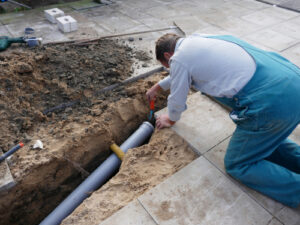



A plumbing emergency does not check your calendar. It does not wait for Monday morning or a convenient afternoon. Burst pipes, sewer backups, and flooding water heaters happen at the worst possible times, and every minute you wait means more damage to your Pittsburg home.
Knowing what to do in the first few minutes of a plumbing emergency — and having the number of a reliable emergency plumber in Pittsburg, CA already saved in your phone — can be the difference between a manageable repair and a devastating insurance claim.
What Counts as a Plumbing Emergency
Not every plumbing problem needs a midnight service call. A slow drip from a faucet is annoying but it can wait until morning. A toilet that runs continuously wastes water but is not going to flood your house. These are problems that should be addressed promptly, but they are not emergencies.
A true plumbing emergency involves active water damage, a health hazard, or a situation that will get significantly worse if left unattended for even a few hours. The most common emergencies we respond to in Pittsburg include burst water supply lines that are flooding the house, main sewer line backups that are pushing sewage into the home through floor drains or bathtubs, water heaters that are leaking large volumes of water, gas leaks from gas water heaters or gas supply lines, and overflowing toilets that cannot be stopped with a shutoff valve.
If you smell natural gas inside your home, leave the house immediately and call PG&E’s emergency line at 1-800-743-5000 before calling a plumber. Gas leaks are a safety hazard that requires the utility company to respond first.
What to Do in the First Five Minutes
The single most important thing you can do during a plumbing emergency is stop the flow of water. Every home has a main water shutoff valve, and every person in the household should know where it is before an emergency happens.
In most Pittsburg homes, the main shutoff is located near the front of the house, either at the exterior wall where the water line enters or near the water meter at the street. Older homes may have a gate valve that requires several full turns to close. Newer installations typically have a ball valve with a lever that turns a quarter turn to shut off.
Once the water is off, open a faucet at the lowest point in the house to relieve pressure in the lines. If the emergency involves a sewer backup, do not run any water or flush any toilets — this will only add to the backup.
If the flooding is significant, turn off the electricity to the affected area at the breaker panel. Water and electricity are a dangerous combination. Do not wade through standing water to reach the panel if the water level is near any electrical outlets or appliances.
Then call Quality Plumbing & Rooter at (925) 584-1951. Describe the situation clearly — what is happening, where the water is coming from, whether you were able to shut off the water. This helps us dispatch the right technician with the right equipment.
Common Emergencies in Pittsburg Homes
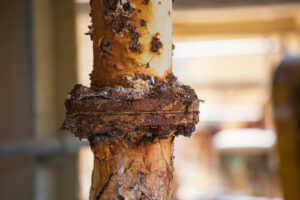
Burst pipes are more common in Pittsburg than many homeowners expect. California does not get the extreme freezes that cause pipe bursts in northern states, but galvanized steel pipes in older Pittsburg homes develop weak spots from internal corrosion that can give way under normal water pressure. A corroded pipe section that has been gradually thinning for years can rupture without warning.
Sewer backups happen when the main sewer lateral becomes blocked by tree roots, accumulated grease, or a collapsed pipe section. The wastewater has nowhere to go except back into the house through the lowest drain. In Pittsburg homes with basement-level or ground-level floor drains, this is usually the first place the backup appears. A sewer camera inspection after the line is cleared reveals whether the blockage was caused by something that can be maintained or whether the pipe needs repair.
Water heater failures can range from a minor leak at a valve fitting to a full tank rupture that dumps 40 to 50 gallons of hot water onto the garage floor. If your water heater is more than 10 years old and you notice any moisture around the base, do not ignore it. A small leak today often becomes a major failure soon after.
Slab leaks are among the most insidious emergencies because the water is hidden beneath the concrete foundation. You may not notice a slab leak until your water bill spikes, you hear running water when nothing is turned on, or warm spots appear on the floor. Our water leak detection equipment can locate the leak without tearing up your slab.
After the Emergency — Next Steps
Once the immediate crisis is handled, there are a few things to take care of. Document the damage with photos and video for your homeowner’s insurance. Contact your insurance company promptly to report the claim. Keep receipts for any emergency plumbing work — most homeowner’s policies cover sudden and accidental water damage, though coverage varies.
If the emergency was caused by an aging pipe, a corroded water heater, or a tree root-damaged sewer line, consider whether preventive upgrades make sense before the next failure. Replacing a section of galvanized pipe, installing a new water heater before the old one ruptures, or scheduling regular hydro jetting to keep roots out of the sewer line are all investments that pay for themselves by preventing the kind of catastrophic failure that turns a repair bill into a restoration project.
Quality Plumbing and Rooter Is Here When You Need Us
We serve Pittsburg and all of eastern Contra Costa County including Antioch, Oakley, Brentwood, Bethel Island, and Concord. Save our number now — (925) 584-1951 — so you have it when it matters most.