


Living on Bethel Island means living with moisture. The Sacramento-San Joaquin Delta surrounds the island, the water table sits close to the surface, and the humidity is higher than in the inland communities of Contra Costa County. That constant moisture environment takes a toll on plumbing materials over time — particularly exposed copper fittings, galvanized steel pipes, cast iron drain lines, and water heater components.
If your Bethel Island home has plumbing that is 15 or more years old, corrosion may already be affecting your system in ways you cannot see from the outside.
How Moisture Accelerates Corrosion
All metal corrodes eventually. Moisture speeds up the process significantly. On Bethel Island, the constant humidity means metal surfaces in unconditioned spaces — crawl spaces, garages, under-home areas, and exterior wall penetrations — are never fully dry.
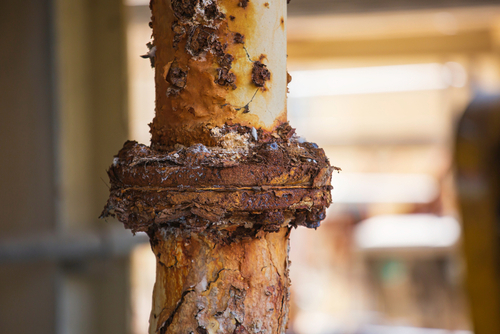
Copper supply lines develop pinhole leaks when the combination of moisture, water chemistry, and environmental factors attacks the pipe wall from the outside. The inside of the pipe faces corrosion from the water flowing through it, while the outside faces corrosion from the ambient humidity. This two-sided attack shortens the pipe’s usable life.
Galvanized steel pipes in older Bethel Island homes corrode from the inside out as the zinc coating deteriorates. The rust buildup inside the pipe narrows the flow path and eventually eats through the wall. On Bethel Island, the external moisture adds another vector of deterioration that accelerates the failure timeline.
Cast iron drain and sewer lines corrode along the bottom where water sits. On Bethel Island, where the pipe may be partially submerged in groundwater, the exterior surface corrodes simultaneously. The pipe thins from both sides.
Water heater tanks and connections are also vulnerable. The anode rod inside the tank corrodes sacrificially to protect the tank walls, but in a high-moisture environment, the anode rod may be consumed faster, leaving the tank unprotected sooner. Our water heater maintenance service includes checking and replacing the anode rod before it leaves the tank exposed.
Signs of Pipe Corrosion
Discolored water — brown, orange, or rusty — when you first turn on a tap indicates corrosion inside the supply lines. If the discoloration only appears at the hot water tap, the water heater or the hot water supply lines may be the source. If it appears at both hot and cold taps, the main supply lines are corroding.
Reduced water pressure that develops gradually over months or years is a classic sign of internal pipe corrosion narrowing the flow path.
Green or blue-green stains around copper pipe joints and fittings indicate active corrosion at those points. The patina itself is harmless, but it signals that the joint may be weakening.
Wet spots on ceilings, walls, or floors in areas near pipe runs suggest a pinhole leak or a failed joint that has been dripping.
An unexplained increase in water usage on your bill can indicate a hidden leak from a corroded pipe section.
Repair and Replacement Options
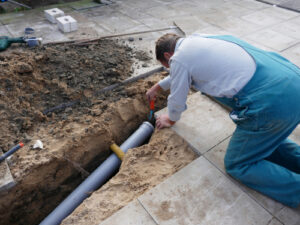
For isolated pinhole leaks in copper pipe, a spot repair can seal the leak and extend the pipe’s usable life. But if multiple leaks are developing across the system, a whole-home repipe with PEX is the long-term solution. PEX is resistant to corrosion and performs well in high-moisture environments.
For corroded galvanized steel supply lines, repiping is almost always recommended over spot repairs. The corrosion process is systemic — if one section has failed, the rest of the system is not far behind.
For cast iron drain lines with advanced corrosion, trenchless pipe lining seals the corroded pipe from the inside and prevents further deterioration. This is especially effective on Bethel Island where excavation in saturated soil is costly.
According to the U.S. Environmental Protection Agency, older homes with corroded pipes may also benefit from water testing to rule out any contaminant concerns related to pipe material deterioration.
Quality Plumbing & Rooter provides pipe inspection, repair, and replacement throughout Bethel Island and surrounding communities. Call (925) 584-1951 for a professional assessment.