


Most plumbing failures in Antioch homes are preventable. The burst pipe, the backed-up sewer, the water heater that floods the garage at 3 AM — these disasters almost always had warning signs that went unnoticed or unaddressed. A basic seasonal plumbing maintenance routine catches those warnings early and keeps small issues from becoming big expenses.
This checklist is built specifically for Antioch, CA homes, accounting for the Delta water quality, the climate patterns, and the common plumbing materials used in the area’s housing stock.
Spring — Inspect and Flush
Spring is the time to assess how your plumbing survived the wet winter months and prepare for the dry season ahead.
Flush your water heater tank. After a winter of heating Delta water with its elevated mineral content, sediment has accumulated at the bottom of the tank. Flushing removes that sediment before it hardens and causes efficiency loss or tank damage. If you are not comfortable flushing it yourself, our water heater service handles it quickly.
Check for signs of winter water damage. Look under sinks, around the water heater, and at the base of exterior walls for moisture, staining, or mold growth. Winter rains and elevated water tables can push moisture into areas that were dry all summer.
Test all outdoor faucets and hose bibs. Run each one for a minute and check for leaks at the spigot and at the wall connection. Winter weather can weaken fittings and cause slow drips that waste water throughout the summer.
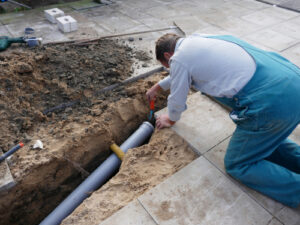
Inspect the sewer cleanout. Lift the cap (if accessible) and check for standing water. If the cleanout has water sitting in it when no fixtures are in use, the sewer line may have a blockage or a belly that needs attention.
Summer — Protect Against Heat and Heavy Use
Antioch summers are hot, often exceeding 100 degrees for days at a time. That heat affects plumbing in ways that are easy to miss.
Monitor your water bill. Summer water use increases with irrigation and outdoor activities, but a bill that doubles or triples without a corresponding increase in activity may indicate a hidden leak. A water leak detection assessment can find the source.
Run water through infrequently used drains. Guest bathrooms, laundry sinks, and utility drains that sit unused during summer can develop dry traps. A dry trap allows sewer gas to enter the house, creating an unpleasant odor. Running water for 30 seconds every few weeks keeps the trap filled.
Watch for foundation settling. The hot, dry summer shrinks the clay soil around your foundation, which can cause movement that affects sewer lines and slab plumbing. New cracks in the foundation, doors that stick, or floors that feel uneven are signs of settling that warrant a plumbing assessment.
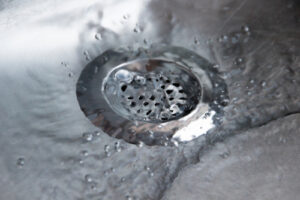
Keep grease out of the kitchen drain. Summer barbecues and cooking generate more grease than usual. Never pour grease down the drain, even if you run hot water after it. The grease solidifies further down the pipe and creates the blockages that our drain cleaning team clears every day.
Fall — Prepare for the Wet Season
Fall is when proactive maintenance pays off. The rainy season will test your sewer line, your roof drainage, and every joint and connection in the system.
Schedule a sewer camera inspection. If you have not had the sewer line inspected in the past two years, fall is the ideal time. A sewer camera inspection before the rains arrive identifies root intrusion, cracks, and bellies that will worsen under wet-season conditions. Addressing them now avoids emergency calls in January.
Clear all gutters and downspout connections to drainage. If your downspouts connect to French drains or area drains, make sure the connections are clear. Blocked drainage around the foundation contributes to soil saturation that stresses both the slab and the sewer line.
Test the water heater temperature and pressure relief valve. Lift the lever and let it snap back. A small amount of water should discharge. If the valve does not operate or if it drips continuously after testing, have it replaced before winter hot water demand peaks.
Winter — Monitor and Respond
Antioch winters are mild compared to much of the country, but the wet season brings its own plumbing challenges.
Watch for slow drains. If drains that were fine in October start slowing down in December, rising groundwater levels may be contributing to sewer line infiltration. A camera inspection can confirm whether the wet-season slowdown is caused by groundwater entering the pipe.
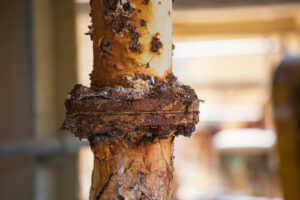
Check under the house if you have a crawl space. Wet-season moisture can accumulate in crawl spaces, and standing water under the house can contribute to pipe corrosion and foundation issues. A sump pump may be needed if water accumulation is persistent.
Know your shutoff valves. If a pipe does burst during a cold snap — rare in Antioch but not impossible — knowing where the main shutoff is and being able to operate it quickly prevents a bad situation from getting worse. Test the valve by turning it off and on once a year to make sure it operates smoothly.
When in Doubt, Call a Professional
This checklist covers the basics that every Antioch homeowner can handle. For anything beyond basic inspection — flushing a water heater that has not been flushed in years, inspecting a sewer line, tracking down a hidden leak — call Quality Plumbing & Rooter at (925) 584-1951.
We serve all of Antioch and Contra Costa County including Oakley, Brentwood, Pittsburg, Clayton, Knightsen, Bethel Island, and Concord. Founded by William Cordova in 2006, licensed (License #899055), insured, and committed to honest, quality service.
Schedule a service online or call (925) 584-1951.